Linear module
Rails, blocks, screws, support bearings and couplings form one axis. Rail length, screw lead and end dimensions are reviewed together.
Automation cells commonly combine linear axes, rotary stations and synchronized transfer. The relevant questions extend beyond a model number to stroke, repeatability, mounting interfaces and service access.
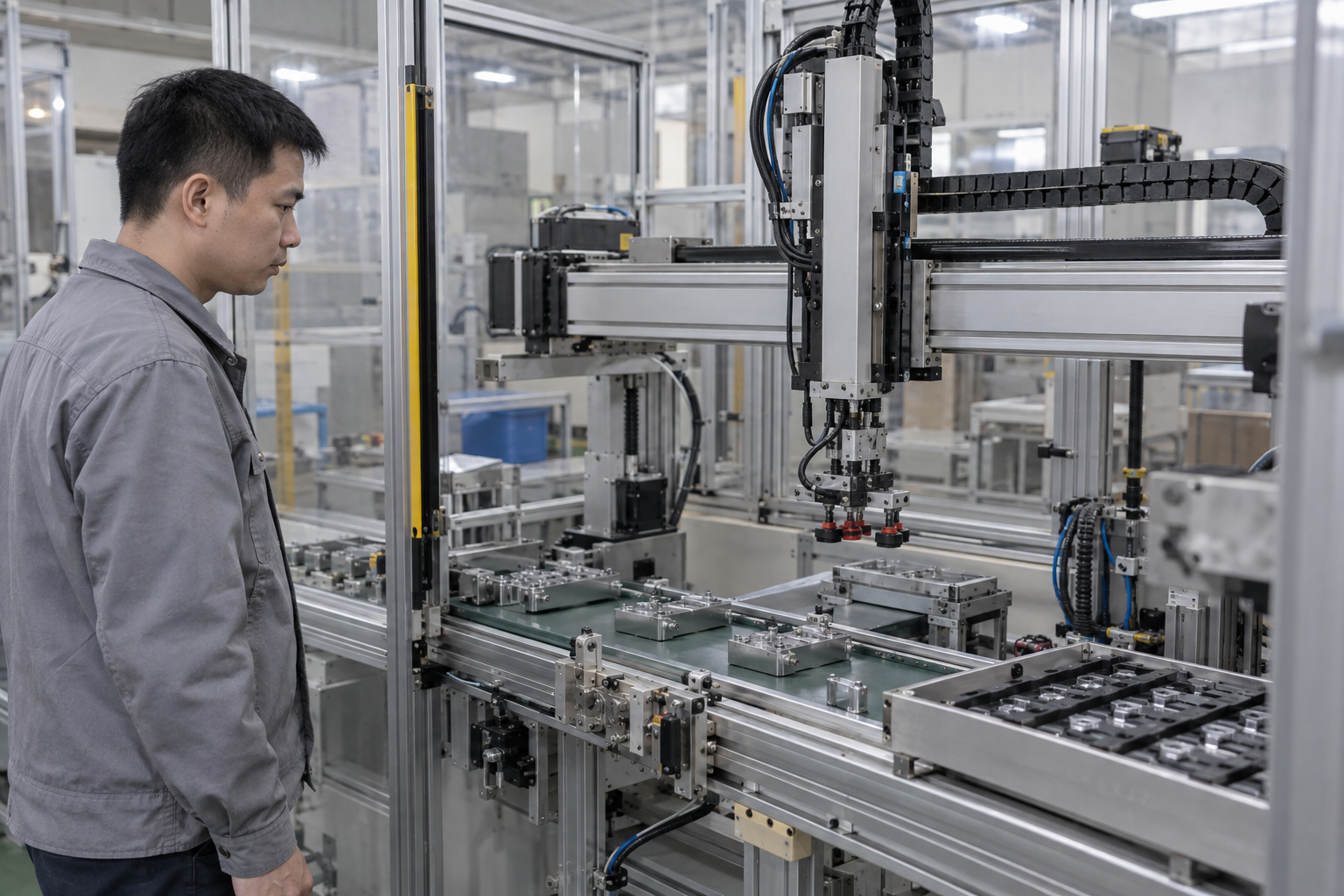
Connected families are organized by position in the mechanism. Final models and suitability follow the actual equipment requirements.
Rails, blocks, screws, support bearings and couplings form one axis. Rail length, screw lead and end dimensions are reviewed together.
Servo motors, reducers, bearings and locating parts share the output interface of a rotary or indexing station.
Pulleys, belts and connecting shafts form a drive train defined by profile, pitch, width, bore and tension conditions.
Brand, model, drawing revision and inspection needs remain attached to each item as mating interfaces are reviewed together.
| Motion profile | Stroke, speed, acceleration, load and cycle rate shape the component combination. |
|---|---|
| Positioning | Repeatability, clearance, preload and mounting datums remain consistent across the mechanical axis. |
| Drive interface | Motor shaft, reducer output, both coupling bores and pulley bore are matched by position. |
| Service access | Replacement path, lubrication conditions and spare-part references have a place in the equipment record. |
Every linked component belongs to the nine-family ZOFANG portfolio.
ZOFANG coordinates transmission parts from different sources by machine position and requirement. Each part retains its own brand, full model, drawing and supply terms for confirmation.
Equipment settings may share product families while operating conditions and interfaces differ.
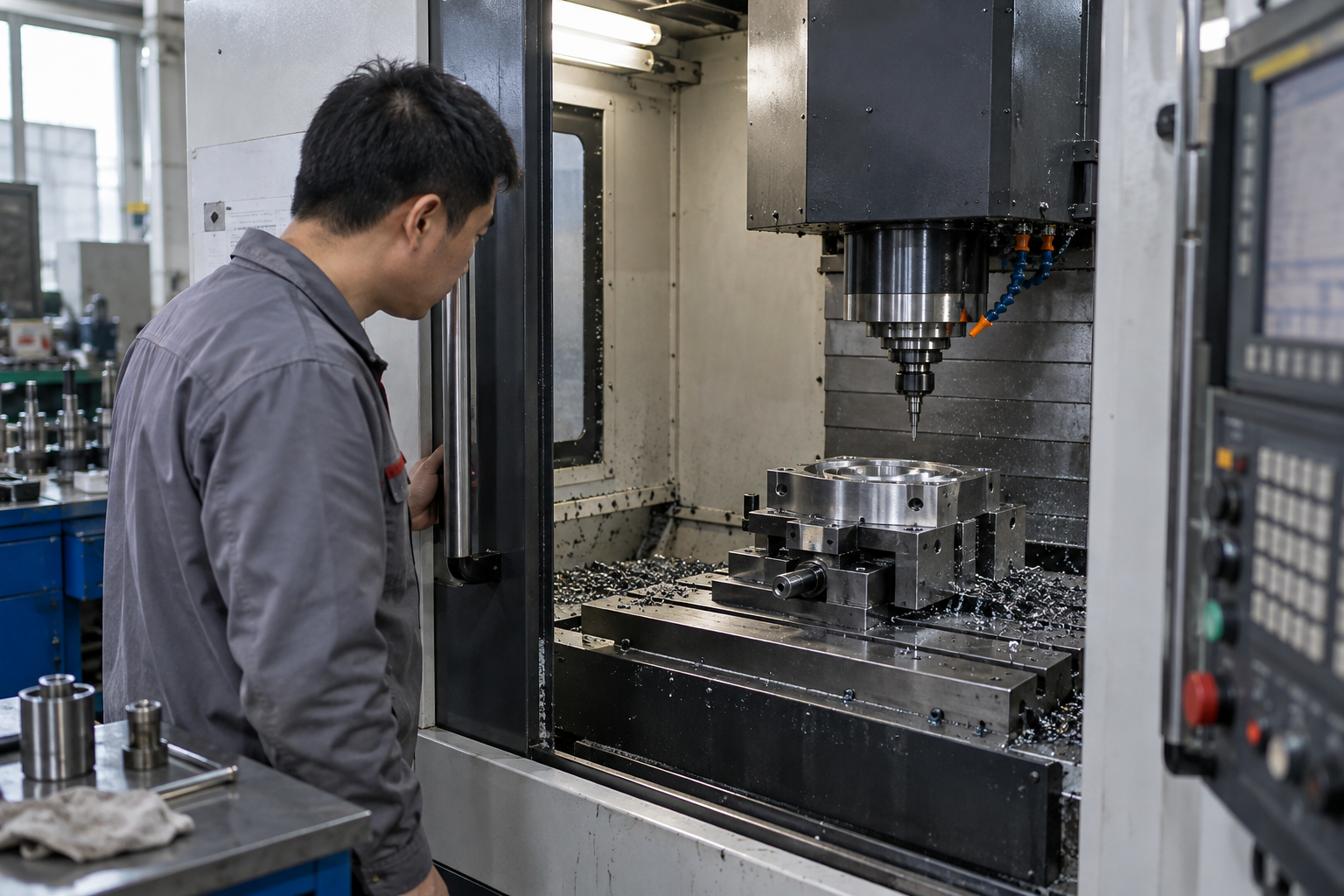
Specification relationships around rotary support and feed axes.
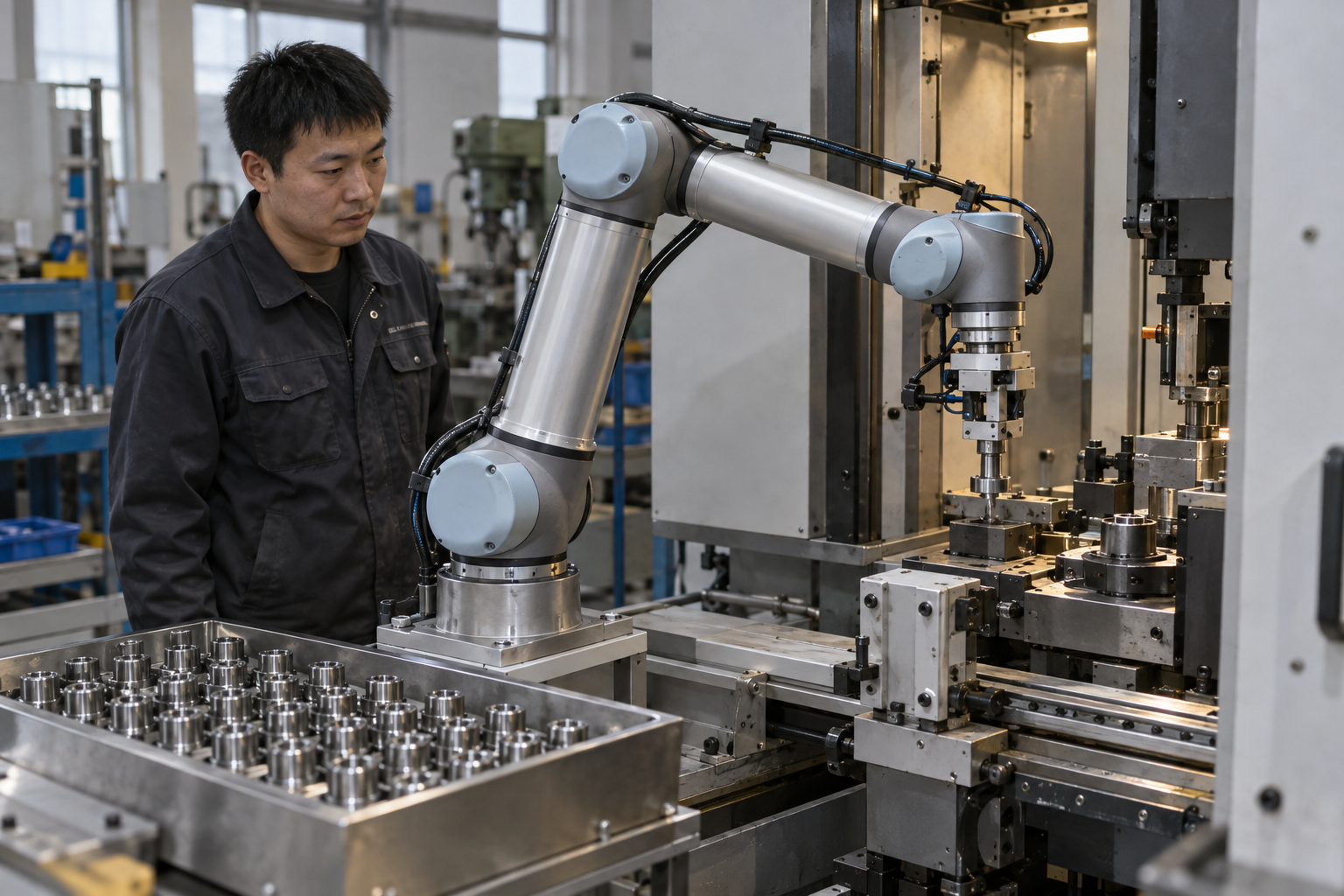
Interfaces for joints, external axes and precision positioning.
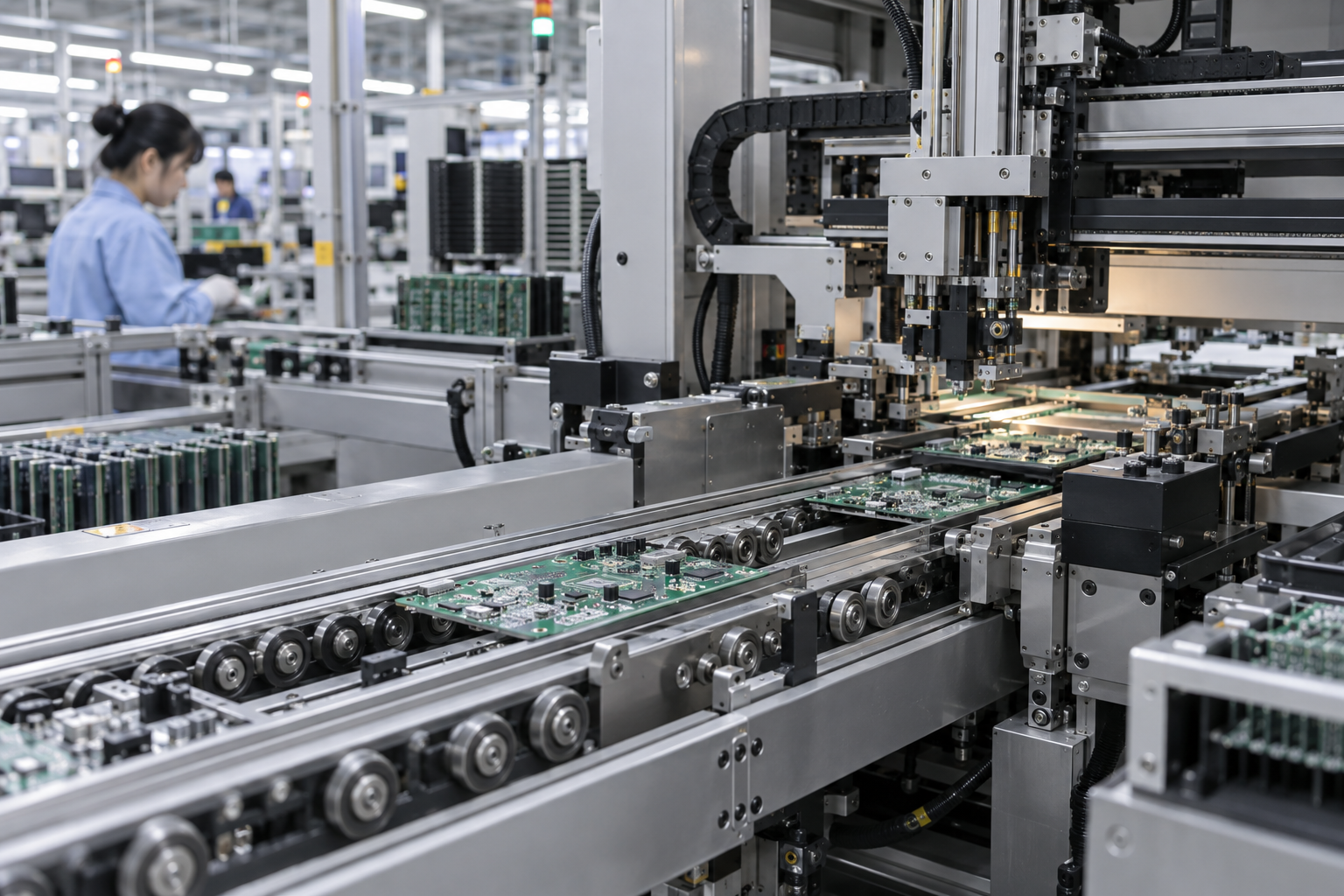
Transmission relationships in inspection, transfer and precision positioning.